






RESTOR logo

    Renewable Energy Storage for Island Systems

    Empowering islands with smarter and sustainable energy storage solutions

    Discover the project

    About the project

    Revolutionizing island energy systems

    RESTOR is a transnational research and innovation project aiming to revolutionize how islands and remote communities plan and implement renewable energy storage systems. By combining advanced decision-making tools and local stakeholder engagement, RESTOR will support clean energy transitions across Europe and South America.

    Energy Storage

    Advanced planning models for optimal storage deployment on islands

    Renewables

    Accelerating solar and wind integration in remote communities

    Clean Transition

    Supporting fossil-free pathways across diverse island contexts

    Global Impact

    Four pilot and three follower sites spanning Europe, South America, and the Pacific

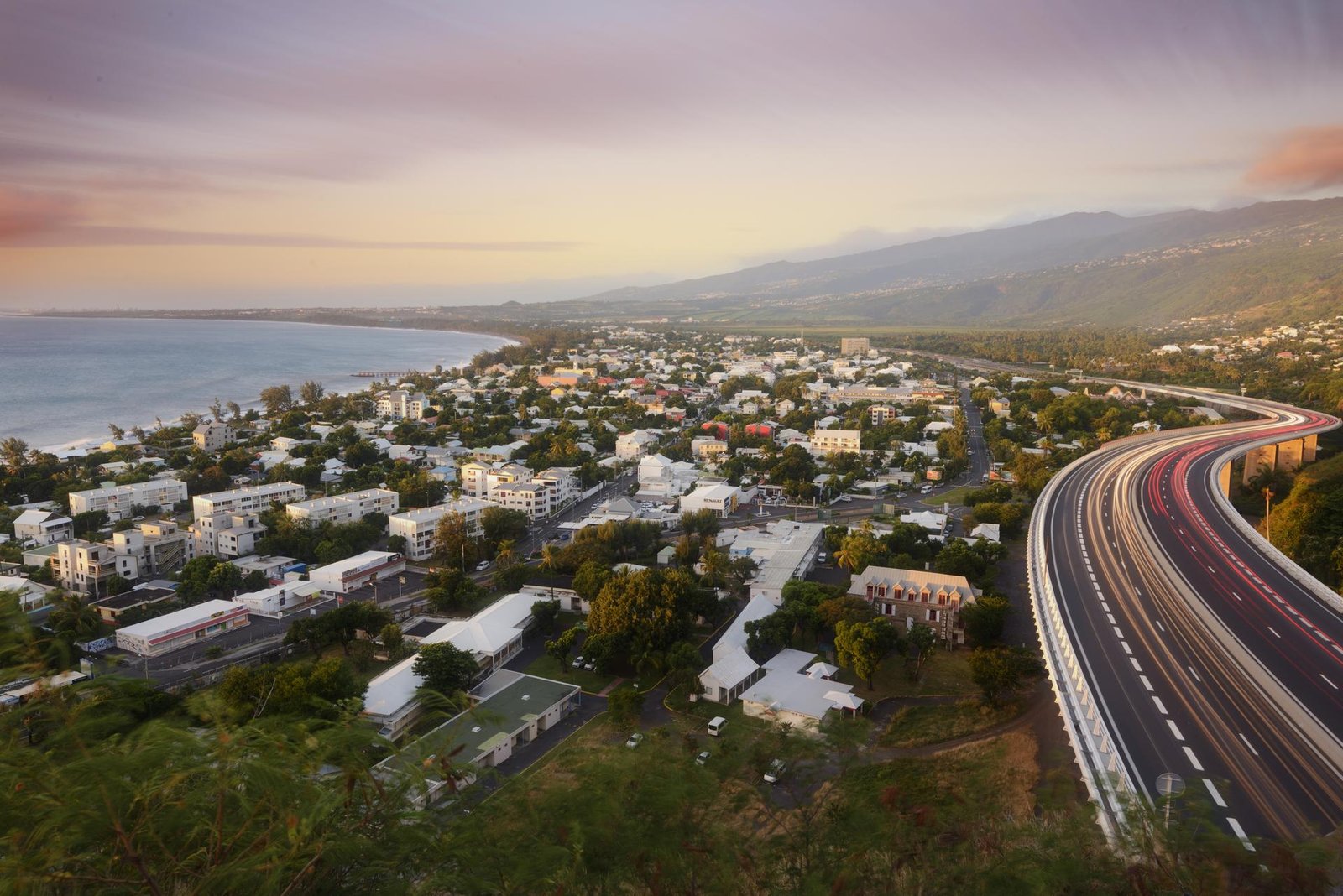
    Aerial view of a coastal community on La Reunion island

    4

    Pilot Sites

    3

    Follower Sites

    8

    Partners

    4

    Countries

    2028

    Completion

    Project at a glance

    Running from December 2024 to November 2028, RESTOR brings together eight partners from Sweden, Ireland, France, and Brazil to develop and validate a comprehensive energy storage planning framework.

    The project focuses on four pilot sites and three follower sites across diverse island and remote communities, each facing unique energy challenges. By tailoring solutions to local contexts, RESTOR aims to create replicable models for clean energy transitions worldwide.

    SwedenIrelandFranceBrazil

    What we aim to achieve

    Project Objectives

    RESTOR pursues six interconnected objectives to deliver a robust, replicable framework for renewable energy storage planning on islands.

    Objective 1

    Multi-Criteria Decision Model

    Develop a comprehensive MCDA model that integrates technical, economic, environmental, and social criteria to support energy storage planning for island systems.

    Objective 2

    Data-Driven Analysis

    Collect and analyze energy demand profiles, renewable generation data, and grid characteristics across diverse island contexts to inform storage deployment.

    Objective 3

    Stakeholder Engagement

    Involve local communities, utilities, and policymakers in co-designing storage solutions through participatory workshops and qualitative context analysis.

    Objective 4

    Case-Study Validation

    Test and validate the RESTOR model across four pilot sites with distinct energy challenges — from Nordic to tropical island settings.

    Objective 5

    Scalability & Replication

    Assess how the model can be transferred to additional islands worldwide, including validation studies in Greece, Fiji, and Fernando de Noronha.

    Objective 6

    Knowledge Dissemination

    Share findings through open-access publications, a knowledge community, and policy recommendations to accelerate clean energy transitions globally.

    How we work

    Methodology & Work Packages

    RESTOR is structured around six work packages that take the project from foundational research through case-study validation to global scalability.

    WP1

    Project Management

    Coordination, quality assurance, data management planning, and financial oversight across the consortium.

    WP2

    Knowledge Community

    Building a cross-project knowledge network, annual reporting, and facilitating collaboration between island stakeholders.

    WP3

    Methods & Concepts

    Defining use cases, collecting energy data, developing the Multi-Criteria Decision Analysis model, and conducting qualitative context analysis.

    WP4

    Case-Studies

    Applying the RESTOR model to four pilot sites — Gotland, Aran Islands, La Reunion, and Remanso — each with unique energy contexts.

    WP5

    Model Integration

    Finalizing the MCDA model based on case-study feedback, comparative analysis of results, and documenting lessons learned.

    WP6

    Validation & Scalability

    Validating the model on new sites (Lesvos, Fiji, Fernando de Noronha) and assessing replicability for islands worldwide.

    Project Timeline

    M1 – M10 (Dec 2024 – Sep 2025)

    Foundation

    Data collection, use case definition, stakeholder mapping

    M10 – M16 (Sep 2025 – Mar 2026)

    Development

    MCDA model v1, context analysis, business model design

    M16 – M27 (Mar 2026 – Feb 2027)

    Case-Studies

    Model application across four island pilot sites

    M27 – M34 (Feb 2027 – Sep 2027)

    Integration

    Model refinement, comparative analysis, lessons learned

    M34 – M36 (Sep 2027 – Nov 2027)

    Validation

    External validation, scalability assessment, final outputs

    Consortium

    Project Partners

    A consortium of leading universities, research institutes, and energy organizations working together across four countries.

    Uppsala University logoAIT Austrian Institute of Technology logoUniversity of Galway logoCFA Ireland logoUniversite de La Reunion logoEnergy Lab logoEnergicentrum Gotland logoRegion Gotland logoLACTEC Brazil logo

    Pilot & Follower Sites

    Seven sites, one mission

    RESTOR validates its energy storage planning model across four pilot case-studies and three follower sites for validation, spanning diverse island and remote communities worldwide.

    Pilot Sites

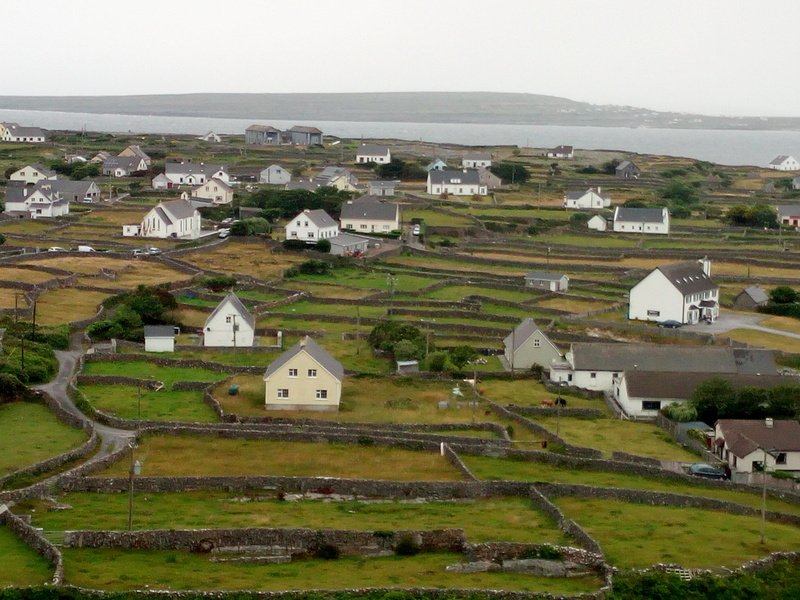
    Coastal cliffs and stone walls on the Aran Islands, Ireland
    Ireland

    Aran Islands

    A group of three small islands off Ireland's west coast (pop. ~850) with 22 buildings already equipped with PV, storage, and monitoring systems via the EU REACT project. Electricity is imported via a sub-sea cable from the mainland. RESTOR evaluates how community-scale storage can reduce cable dependency and increase local energy resilience.

    Pop. 850Renewables: PV + storageCable dependency

    Wooden fishing boats on a pebble beach at sunset on Gotland island
    Sweden

    Gotland

    Sweden's largest island (pop. ~60,000) in the Baltic Sea, with significant wind power capacity but limited grid connection to the mainland. RESTOR evaluates battery and hydrogen storage to balance seasonal generation peaks and support the island's goal of becoming fossil-free by 2040.

    Pop. 60,000Renewables: ~50%Grid bottleneck
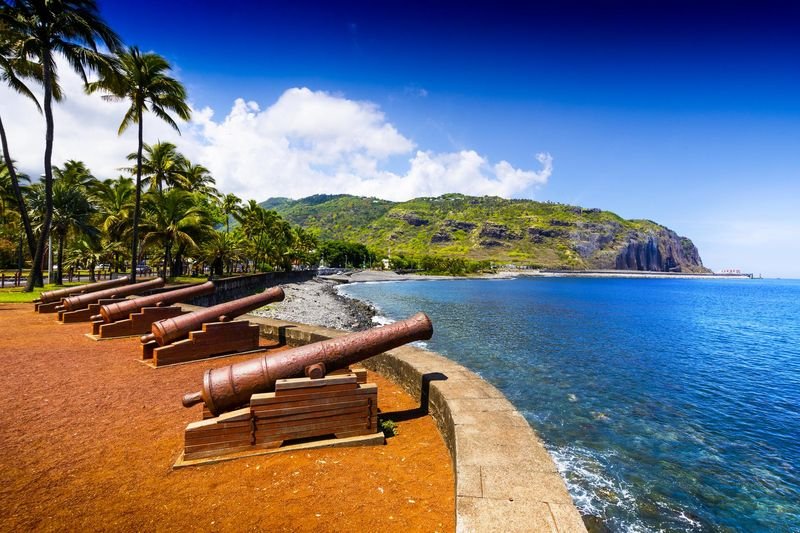
    Historic waterfront with palm trees and coastal cliffs on La Reunion island
    France

    La Reunion

    A volcanic French overseas territory (pop. ~870,000) in the Indian Ocean, targeting energy autonomy by 2030. With abundant solar and emerging ocean energy, La Reunion faces high electricity costs and heavy reliance on imported fossil fuels. RESTOR models optimal storage mixes to stabilize the isolated grid.

    Pop. 870,000Renewables: ~36%Fossil fuel imports
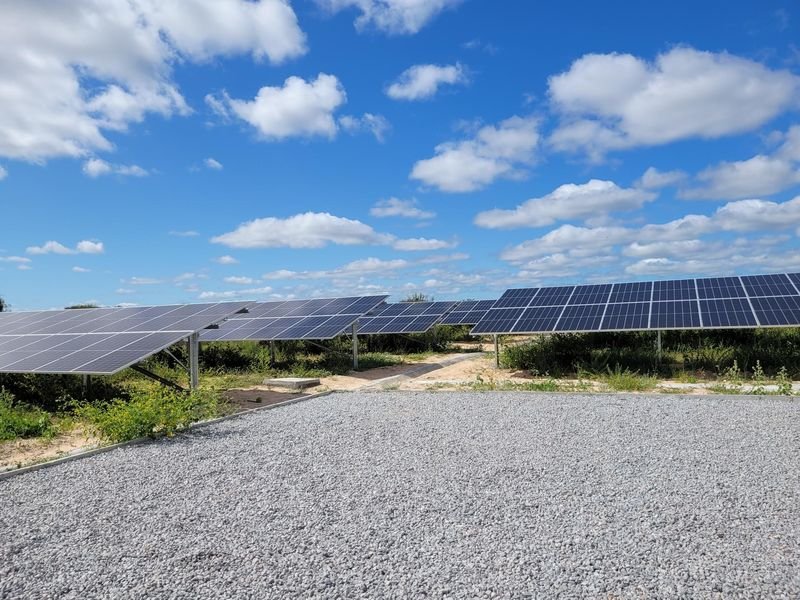
    Solar panel farm under blue skies near Remanso, Brazil
    Brazil

    Remanso

    A remote community in Bahia state where Xique-Xique village (~400 inhabitants) operates an off-grid solar microgrid with 616 PV panels (243 kWp) and battery storage providing 48-hour autonomy. RESTOR assesses how the planning model can optimise and expand this pioneering system to improve energy reliability for surrounding communities.

    Pop. 400Renewables: Solar microgridGrid isolation

    Follower Sites

    Validation sites where the RESTOR model is tested for transferability and scalability.

    Hilltop village of Mithymna overlooking the Aegean Sea on Lesvos island
    Greece

    Lesvos

    A Greek island in the northeastern Aegean where RES expansion has been largely halted due to grid stability issues. The RESTOR model is applied to identify storage solutions that enable further renewable integration while providing economic benefits to the island community.

    Pop. 115,000Renewables: Halted expansionGrid stability
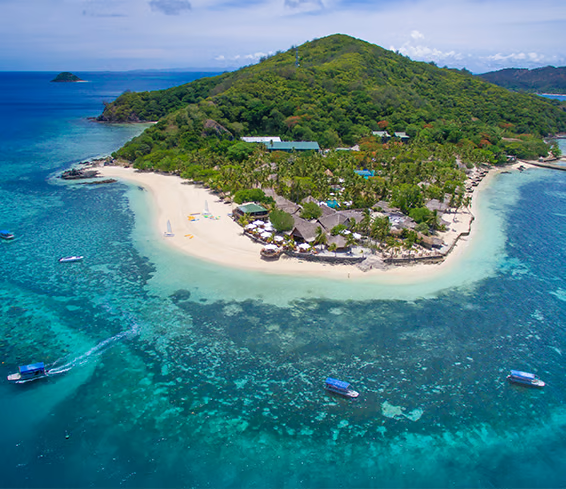
    Tropical resort coastline on a Fiji island
    Fiji

    Fiji

    A small island developing state in the southwest Pacific with autonomous electricity grids on five major islands serving ~925,000 people. Generation fluctuates between 50–60% renewables and 40–50% fossil fuels. RESTOR validates how its model can help plan storage assets to transition outer islands away from diesel dependency.

    Pop. 925,000Renewables: 50–60%Diesel on outer islands
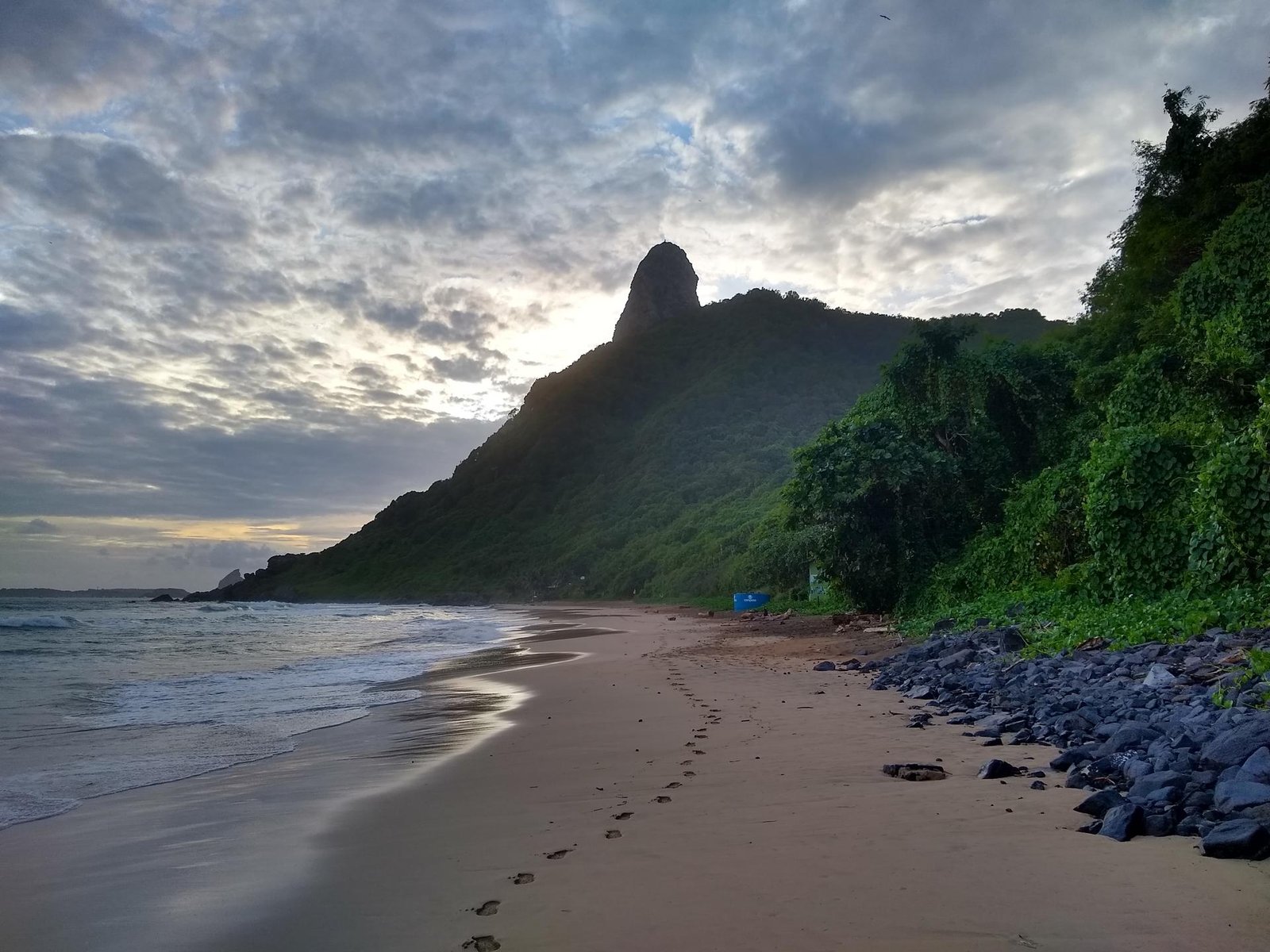
    Dramatic beach with Morro do Pico peak on Fernando de Noronha island
    Brazil

    Fernando de Noronha

    A UNESCO World Heritage archipelago 350 km off Brazil's coast (pop. ~3,167), currently 90% powered by diesel generators with only 10% from solar. RESTOR validates how its planning model can chart a path to replace diesel with solar-plus-storage on this ecologically sensitive island.

    Pop. 3,167Renewables: ~10%Diesel dependency

    Results

    Deliverables

    The full list of RESTOR project deliverables across all work packages. Public deliverables are available for download when completed.

    WP1 | Project Management

    D1.1Data Management Plan

    Lead: AIT Austrian Institute of Technology · Due: May 2025 (M6) · Sensitive

    Completed · Restricted

    D1.2Data Management Plan Update

    Lead: AIT Austrian Institute of Technology · Due: Nov 2026 (M24) · Sensitive

    Restricted

    WP2 | Reporting & Knowledge Community

    D2.1Annual Knowledge Community reports

    Lead: Uppsala University · Due: Nov 2025 (M12) · Sensitive

    Completed · Restricted

    D2.2Annual Knowledge Community reports 1st update

    Lead: Uppsala University · Due: Nov 2026 (M24) · Sensitive

    Restricted

    D2.3Annual Knowledge Community reports final update

    Lead: Uppsala University · Due: Nov 2027 (M36) · Sensitive

    Restricted

    D2.4Public Abstracts

    Lead: Uppsala University · Due: Nov 2027 (M36) · Public

    Upcoming

    WP3 | Methods, Requirements & Concepts

    D3.1Definition of use cases and business models for energy storage

    Lead: Université de La Réunion · Due: Sep 2025 (M10) · Public

    D3.2Data collection & data-driven analysis of end-user energy profile

    Lead: University of Galway · Due: Sep 2025 (M10) · Public

    D3.3Development of the Multi-Criteria Decision Analysis model

    Lead: Uppsala University · Due: Jan 2026 (M14) · Public

    Completed · Download coming soon

    D3.4Qualitative and context analysis

    Lead: University of Galway · Due: Mar 2026 (M16) · Public

    Upcoming

    WP4 | Case-Studies

    D4.1Results: Case-Study Aran Islands, Ireland

    Lead: University of Galway · Due: Feb 2027 (M27) · Public

    Upcoming

    D4.2Results: Case-study Gotland island, Sweden

    Lead: Uppsala University · Due: Feb 2027 (M27) · Public

    Upcoming

    D4.3Results: Case-study La Reunion island, France

    Lead: Université de La Réunion · Due: Feb 2027 (M27) · Public

    Upcoming

    D4.4Results: Case-study Remanso, Brazil

    Lead: Lactec Brazil · Due: Feb 2027 (M27) · Public

    Upcoming

    WP5 | RESTOR Model Integration

    D5.1Development of the Multi-Criteria Decision Analysis model (final version)

    Lead: Uppsala University · Due: Nov 2027 (M36) · Public

    Upcoming

    D5.2Comparative analysis of case-studies

    Lead: Université de La Réunion · Due: Nov 2027 (M36) · Public

    Upcoming

    D5.3Summary of Lessons learned

    Lead: University of Galway · Due: Nov 2027 (M36) · Public

    Upcoming

    WP6 | Validation, Scalability & Replication

    D6.1RESTOR model validation Lesvos island, Greece

    Lead: Uppsala University · Due: Sep 2027 (M34) · Public

    Upcoming

    D6.2RESTOR model validation Fiji archipelago

    Lead: Uppsala University · Due: Sep 2027 (M34) · Public

    Upcoming

    D6.3RESTOR model validation Fernando de Noronha island, Brazil

    Lead: Lactec Brazil · Due: Sep 2027 (M34) · Public

    Upcoming

    D6.4RESTOR model scalability and replicability analysis

    Lead: AIT Austrian Institute of Technology · Due: Nov 2027 (M36) · Public

    Upcoming

    WP7 | Dissemination, Communication & Exploitation

    D7.1Dissemination & Communication Plan

    Lead: AIT Austrian Institute of Technology · Due: May 2025 (M6) · Sensitive

    Completed · Restricted

    D7.2RESTOR communication tool kit (this website)

    Lead: Uppsala University · Due: May 2025 (M6) · Public

    Completed

    D7.3Dissemination & Communication activities and results achieved

    Lead: Uppsala University · Due: Nov 2027 (M36) · Public

    Upcoming

    D7.4Exploitation and IPR management Plan

    Lead: AIT Austrian Institute of Technology · Due: May 2025 (M6) · Sensitive

    Completed · Restricted

    D7.5Final post-Exploitation and IPR management Plan

    Lead: AIT Austrian Institute of Technology · Due: Nov 2027 (M36) · Sensitive

    Restricted

    Get in touch

    Contact us

    Interested in RESTOR or want to collaborate? We would love to hear from you.

    Coordinator

    Uppsala University, Sweden

    This website uses only technically necessary cookies to ensure proper functionality. No tracking or analytics cookies are used. Learn more